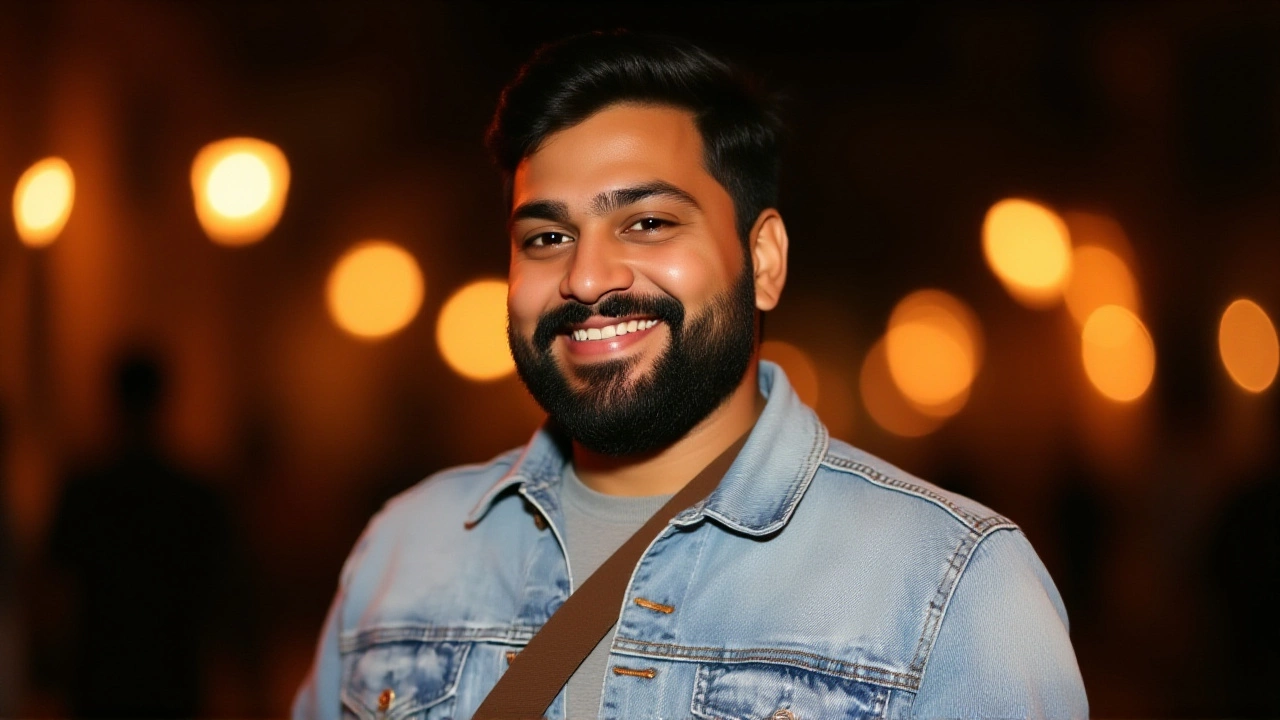
When Santy Sharma, rapper and digital creator from India, called the viral "Cockroach Janata Party" (CJP) movement "mere internet drama," he didn't just stir the pot—he set it on fire. The controversy erupted in late May 2026 after Sharma posted a lengthy critique on Instagram, arguing that the online campaign lacked substance and was being manipulated by external agendas.
The backlash was immediate. Within hours, major Hindi news outlets like Aaj Tak and Times Now Hindi were covering the fallout, while YouTube shorts flooded with clips of Sharma’s comments alongside reactions from CJP supporters. Here's the thing: this isn't just about a rap song or a meme. It's about who controls the narrative in India's booming digital public square.
The Spark That Ignited the Debate
On May 25, 2026, Aaj Tak reported that Sharma had labeled the CJP movement as less of a serious protest and more of an orchestrated online spectacle. In his post, Sharma wrote, "Cockroach Janata Party looks more like internet drama than a serious movement." He went further, warning users against blindly following trends without verifying the background of those leading them.
But wait—there’s a twist. Sharma didn’t stop at criticism. He alleged that a significant portion of support for such movements comes from accounts linked to anti-India narratives, specifically mentioning Pakistan, Bangladesh, and other hostile ideologies. This claim added fuel to an already heated debate about digital nationalism and foreign interference in social media activism.
Times Now Hindi echoed these sentiments, noting that Sharma urged people to focus on real issues like development, employment, and education rather than getting distracted by viral campaigns. His argument? True patriotism lies in building the nation, not chasing hashtags.
Who Is Santy Sharma?
If you haven’t heard of him yet, here’s the quick rundown. Born on September 9, 1996, in Ratlam, Madhya Pradesh, Sharma started his career performing at small local events in the late 2010s. By 2018–2019, he began releasing tracks on YouTube, blending Punjabi beats with Hindi lyrics—a style that resonated deeply with young audiences.
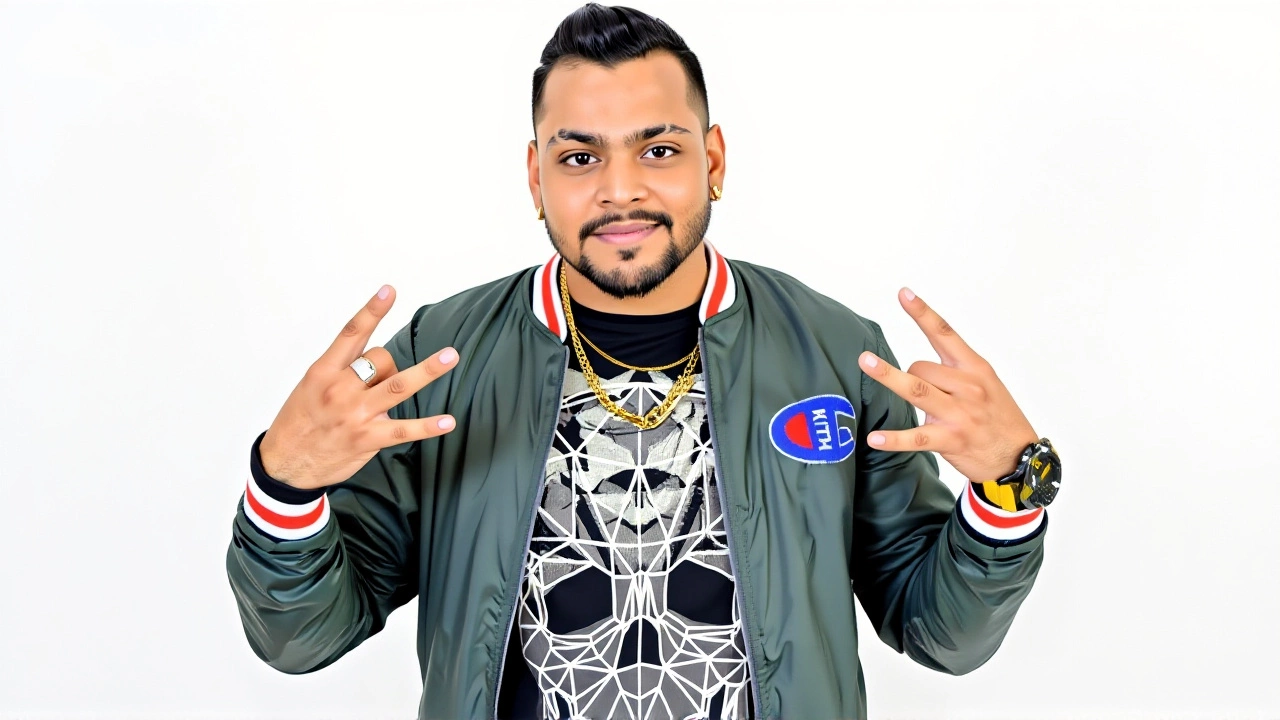
His breakthrough came around 2020 when songs like "Mujhe Pyaar Kar," "Gangsta," and "Udaan" went viral, amassing millions of views. Today, at 29 years old, Sharma is recognized not just as a musician but also as a vocal commentator on internet culture and trending topics. His independent music career has given him the freedom to speak his mind, which he does often—and loudly.
From Local Stages to National Headlines
Sharma’s journey mirrors many self-made artists in India’s digital age. Starting with modest stage shows, he leveraged platforms like YouTube to reach wider audiences. Unlike mainstream celebrities tied to studios, Sharma operates independently, allowing him to address controversial subjects directly. This autonomy makes his opinions carry weight among younger demographics who value authenticity over polished PR statements.
The Bigger Picture: Digital Activism vs. Real Issues
So why does this matter? Because it highlights a growing tension between grassroots digital activism and traditional notions of civic engagement. On one side are activists using social media to amplify marginalized voices; on the other are critics like Sharma who argue that some campaigns distract from pressing national challenges.
Experts suggest that movements like CJP reflect broader anxieties about misinformation and manipulation online. According to a recent study by Pew Research Center, nearly 60% of Indian social media users have encountered fake news related to political causes. When influencers weigh in, they either validate or delegitimize these efforts based on their perceived credibility.
In this case, Sharma’s stance divides opinion. Supporters applaud his call for critical thinking, while detractors accuse him of dismissing legitimate grievances under the guise of skepticism. As one user tweeted, "Is he protecting us from scams—or silencing dissent?"
What Happens Next?
For now, the dust hasn’t settled. CJP organizers have responded defensively, claiming their mission remains focused on exposing corruption and advocating transparency. Meanwhile, Sharma continues to engage with followers, doubling down on his belief that energy should be directed toward tangible progress rather than virtual outrage.
Industry observers predict similar controversies will arise as more creators enter the political discourse space. With algorithms favoring emotional content, expect heightened polarization—and perhaps even regulatory scrutiny—if tensions escalate further.
Background: The Rise of Influencer Politics
This incident doesn’t exist in isolation. Over the past decade, Indian politicians have increasingly turned to influencers to connect with youth voters. From Bollywood stars endorsing policies to rappers addressing societal issues, entertainment figures now play pivotal roles in shaping public opinion.
Take Badshah, another prominent rapper mentioned in connection with this controversy. Known for hits like "Genda Phool," Badshah has occasionally ventured into socio-political commentary, though rarely as confrontationally as Sharma. Similarly, TMKOC star DSKC faced backlash last year for supporting a polarizing cause, illustrating how quickly things can spiral out of control.
These examples underscore a shifting landscape where artistry intersects with activism. While some see this evolution as empowering, others worry about the erosion of nuanced debate in favor of binary stances designed for maximum engagement.
Frequently Asked Questions
Why did Santy Sharma criticize the Cockroach Janata Party?
Sharma argued that the movement resembles "internet drama" rather than a genuine protest. He expressed concerns about blind trend-following and alleged foreign involvement in promoting such campaigns.
Who supports the Cockroach Janata Party?
Supporters include individuals frustrated with systemic issues like corruption and inequality. Critics, however, question whether the movement addresses root causes effectively or merely generates noise online.
How has the media reacted to this controversy?
Major outlets like Aaj Tak and Times Now Hindi covered the story extensively, highlighting both sides of the argument. Social media platforms buzzed with debates, reflecting divided public sentiment.
What impact could this have on future digital activism?
It may lead to greater scrutiny of online movements and encourage participants to verify claims before joining. Additionally, regulators might consider stricter guidelines for influencer-led campaigns.
Write a comment